


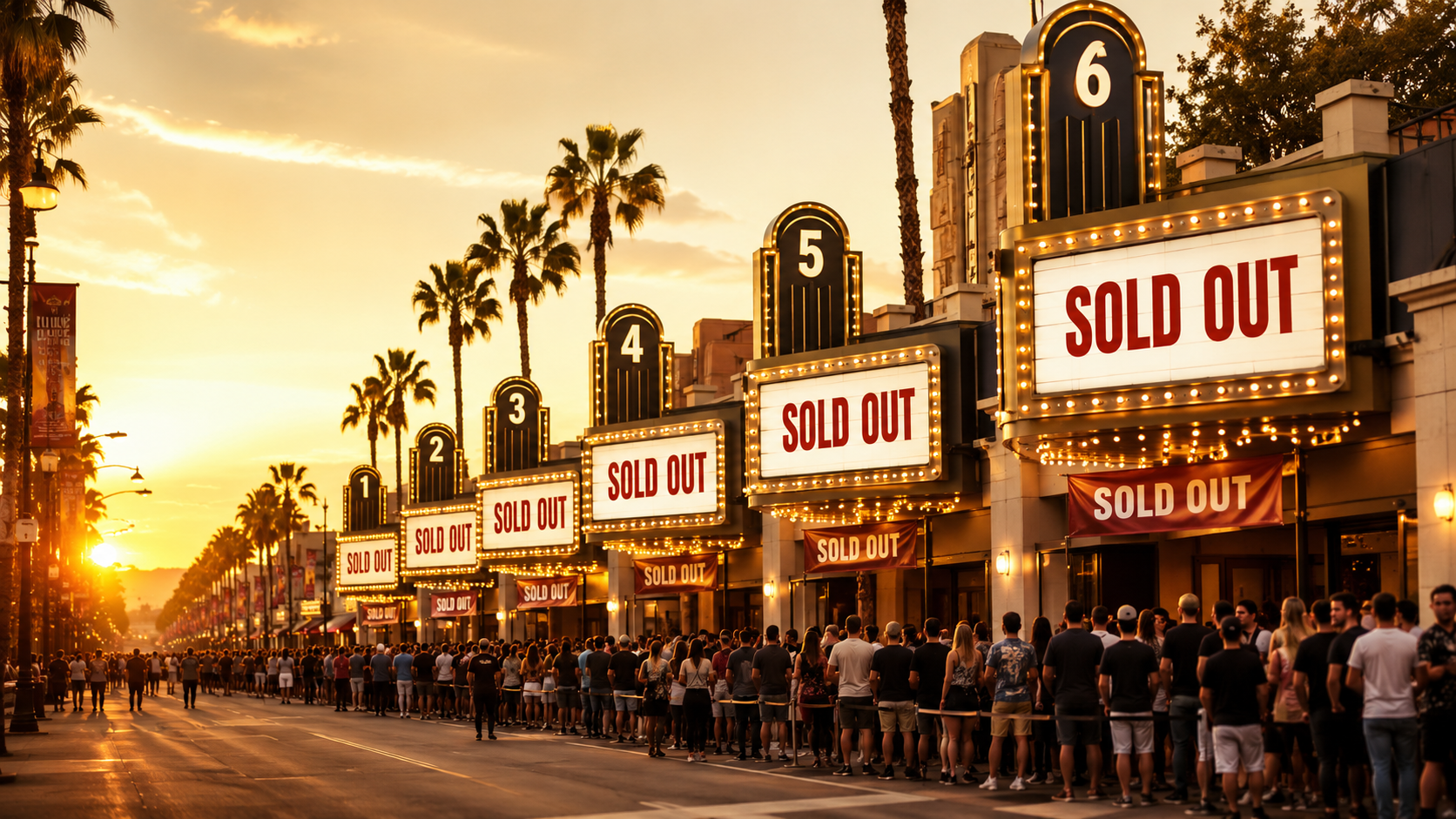
Most event promoters unknowingly make the same costly mistake.
They spend weeks promoting an event, celebrate a successful night, and then start over from scratch.
The audience disappears.
Marketing costs reset.
Revenue becomes unpredictable.
The promoters building six and seven-figure event businesses operate differently. They don't think in individual events—they think in recurring event series.
Every event becomes marketing for the next one.
Every attendee becomes a future customer.
Every successful event strengthens the brand instead of simply generating revenue.
If your goal is to build a sustainable event business instead of chasing ticket sales every month, a recurring event strategy is one of the highest-leverage decisions you can make.
What Is a Recurring Event Series?
A recurring event series is a collection of events built around the same audience, brand, and experience.
Rather than creating a completely new marketing campaign every time, each event builds momentum for the next.
Examples include:
- Monthly networking events
- Weekly live music nights
- Comedy showcases
- Business conferences
- Food festivals
- Fitness communities
- Educational workshops
Instead of constantly searching for new customers, you're building a loyal community that returns again and again.
That's where predictable growth begins.
Why Recurring Event Series Grow Faster
The biggest advantage isn't simply hosting multiple events.
It's creating momentum.
Every successful event generates assets that make future events easier to sell.
Your Audience Becomes Your Greatest Asset
Every attendee who enjoys your event becomes someone you can reach again.
Instead of spending your marketing budget convincing strangers to trust your brand, you're communicating with people who already know the value of your events.
As your community grows, so does your email list, your remarketing audience, and your customer insights.
Over time, your audience data becomes one of your biggest competitive advantages, helping you understand buying behavior, improve future events, and personalize your marketing.
Customer Acquisition Gets Cheaper
Acquiring a new attendee is almost always more expensive than bringing back an existing one.
Returning attendees already trust your brand.
They open your emails.
They follow your social media.
They tell their friends.
They buy tickets faster.
Instead of relying entirely on paid advertising, recurring event series naturally generate more sales through email marketing, word-of-mouth, referrals, and repeat customers.
That means lower acquisition costs and higher profitability with every event you host.
Brand Recognition Creates Predictable Revenue
One successful event builds awareness.
A recurring event series builds anticipation.
Think about the most successful recurring events in your city.
People don't ask if they're happening.
They ask when tickets go on sale.
That's exactly where you want your brand to be.
When your audience expects your next event, selling tickets becomes dramatically easier.
Consistency builds familiarity.
Familiarity builds trust.
Trust drives ticket sales.
Sponsors Invest in Proven Communities
Sponsors don't simply want logo placement.
They want access to engaged audiences.
A recurring event series allows you to present something far more valuable than a single event.
You can demonstrate:
- Consistent attendance growth
- Audience demographics
- Repeat customer rates
- Marketing reach
- Multiple sponsorship opportunities throughout the year
That makes your sponsorship packages significantly more attractive while increasing long-term partnership opportunities.
Launch Your Series One Event at a Time
One of the biggest mistakes promoters make is trying to plan an entire year's worth of events before validating their concept.
Instead, think in phases.
Event One: Validate the Experience
Your first event isn't about maximizing revenue.
It's about proving demand.
Focus on delivering an outstanding attendee experience.
Collect customer information.
Gather feedback.
Document what worked and what didn't.
Every attendee should become part of your CRM so you can continue building relationships long after the event ends.
Event Two: Improve and Expand
Use attendee feedback to improve every aspect of your event.
Optimize your schedule.
Improve your programming.
Enhance the customer experience.
This is also the ideal time to launch a structured referral program.
Happy attendees are your most effective marketing channel.
Give them a reason to invite friends by offering rewards, discounts, VIP upgrades, or affiliate commissions.
You should also introduce Early Bird pricing to create urgency while improving revenue forecasting.
Event Three: Scale What Works
By your third event, you have something many promoters never develop.
Real data.
You know which campaigns generated ticket sales.
You know how quickly tickets sold.
You know which pricing converted best.
You understand what your audience values.
That's when you stop guessing and start optimizing.
Introduce VIP experiences.
Offer premium seating.
Launch exclusive packages.
Most importantly, begin building a structured pre-sale strategy that rewards previous attendees with exclusive access before tickets become available to the general public.
Loyal customers should always feel like insiders.
Create FOMO Between Every Event
One of the biggest mistakes promoters make is waiting until the next event is announced to start marketing again.
The most successful recurring event series never disappear.
As soon as one event ends, the next one begins.
Keep the excitement alive by:
- Releasing event photos and videos within 24 hours.
- Opening an Early Bird waitlist.
- Sharing behind-the-scenes content.
- Announcing the next event before attendees leave the venue.
- Giving previous attendees exclusive pre-sale access.
Creating anticipation keeps your community engaged and dramatically increases repeat attendance.
Let Data Drive Every Decision
The biggest advantage of running recurring events isn't simply selling more tickets.
It's collecting better data.
Every event teaches you something about your audience.
After every event, review questions like:
- Which marketing campaign generated the most ticket sales?
- Which ticket tier sold out first?
- How many attendees were first-time buyers?
- How many customers returned from previous events?
- Which promotions generated the highest ROI?
Over time, these insights allow you to stop making assumptions and start making decisions backed by real customer behavior.
The more events you host, the smarter your marketing becomes.
Continue Improving Your Pricing Strategy
Pricing shouldn't remain static forever.
As your event series grows, your pricing should evolve with demand.
A typical progression looks like this:
- Event 1: General Admission
- Event 2: Early Bird + General Admission
- Event 3: VIP Experiences
- Event 4+: Dynamic Pricing, Group Packages, and Exclusive Member Offers
Historical ticket sales help you understand exactly when demand increases and which ticket types generate the highest revenue.
Instead of guessing prices, you're responding to real market demand.
Measure the Metrics That Actually Matter
Many promoters only look at total ticket sales.
That doesn't tell the full story.
To understand whether your recurring event series is actually growing, you should monitor:
- Repeat attendance rate
- Customer acquisition cost
- Revenue per attendee
- Email list growth
- Referral-driven ticket sales
- Ticket sell-through velocity
You should also analyze which marketing channels consistently generate the highest ROI so you can invest your budget more effectively.
Growth becomes much easier when every decision is supported by data.
How TicketBlox Helps You Scale Recurring Events
Building a recurring event business requires more than selling tickets.
You need technology that helps you grow relationships with attendees before, during, and after every event.
TicketBlox was designed for promoters who think long-term.
With Boomerang CRM, every attendee automatically becomes part of your customer database, making it easy to segment audiences and launch targeted marketing campaigns.
With Tribe, you can create affiliate and referral programs that encourage your biggest supporters to help sell tickets while earning rewards.
With Sense Analytics, you can compare event performance, track ticket velocity, monitor marketing campaigns, and identify opportunities to improve every future event.
Instead of managing multiple disconnected tools, TicketBlox gives promoters everything they need to grow recurring event businesses from a single platform.
Final Thoughts
One successful event can generate revenue.
A recurring event series builds a business.
Every event expands your audience.
Every attendee strengthens your community.
Every campaign becomes more efficient.
Every event creates valuable customer data that helps improve the next one.
That's how predictable ticket sales are built.
Instead of constantly starting over, focus on creating experiences people can't wait to attend again.
If you're ready to build a recurring event series with integrated CRM, referral marketing, analytics, and automated attendee engagement, Book a demo and discover how TicketBlox helps promoters create sustainable growth.
Frequently Asked Questions
How many events should I host before deciding whether my series is successful?
Commit to at least three events. The first validates your concept, the second allows you to improve based on feedback, and the third reveals whether you're building repeat attendance and sustainable momentum.
What is the best frequency for a recurring event series?
Monthly is the most effective schedule for most event types. It keeps your audience engaged while giving you enough time to promote each event properly.
How do I encourage attendees to return?
Deliver a consistent experience, communicate regularly between events, reward loyalty with exclusive offers, launch pre-sales for previous attendees, and continue improving the experience using customer feedback.
When should I introduce VIP tickets?
Once you've hosted two or three successful events and understand what your audience values most. Premium experiences can significantly increase revenue without requiring more attendees.
Why are recurring event series more profitable than one-off events?
Because they reduce customer acquisition costs, increase repeat attendance, strengthen sponsorship opportunities, improve customer lifetime value, and generate predictable revenue over time.